
In the evolving world of botanical extraction, efficiency and safety are critical factors in choosing the right solvent. Among various solvents, heptane has emerged as an effective solution in extracting cannabinoids and other valuable compounds from botanical. Known for its non-polar properties and clean evaporation, heptane is a versatile compound used in industrial manufacturing and the botanical and cannabis industries. This article explores heptane’s role in botanical extraction, its industrial applications, and its synergy with other chemical solutions, such as CDA-12A, for optimized results.
What is Heptane?
Heptane is a straight-chain alkane with the chemical formula C7H16. It is a clear, colorless liquid derived from crude oil refining known for its high volatility and non-polar characteristics. These properties make heptane an ideal solvent in various applications, including botanical extraction, where it is used to isolate cannabinoids efficiently.

While heptane is less recognized than solvents like ethanol or CO2 in the botanical industry, it is gaining popularity due to its rapid evaporation and ability to produce clean, high-quality extracts.
The Role of Heptane in Hemp Extraction
How Heptane Works in Hemp Extraction
Heptane is used in hydrocarbon-based extraction methods to extract cannabinoids such as CBD, CBG, and THC from botanical biomass. Its non-polar nature allows it to dissolve and extract oils, terpenes, and cannabinoids from the plant material efficiently. The extraction process typically involves soaking the botanical in heptane, which helps pull out the desired compounds. These compounds are then separated from the solvent through evaporation, leaving behind a concentrated extract.
One advantage of heptane in botanical extraction is its ability to evaporate quickly, reducing the time needed for post-extraction purification. This ensures the final product is free of solvent residues, critical in producing high-purity CBD oils or concentrates.
Comparing Heptane with Other Solvents in Hemp Extraction
While other solvents like ethanol and CO2 are commonly used in botanical extraction, heptane offers distinct benefits:
- Higher Yield of Non-Polar Compounds: Due to its non-polarity, heptane is particularly effective in extracting cannabinoids and terpenes, resulting in higher yields than ethanol.
- Faster Evaporation: Heptane’s low boiling point allows it to evaporate quickly, reducing processing time and energy consumption during extraction.
- Cost-Effective: Heptane is generally less expensive than other solvents, making it a cost-effective choice for large-scale botanical processing.
However, it’s important to note that while heptane excels at extracting non-polar compounds like cannabinoids, it may not capture water-soluble compounds that ethanol-based extraction methods might retain.
Safety Considerations in Using Heptane for Hemp Extraction
Health and Safety Precautions
While heptane is an effective solvent for botanical extraction, it poses certain risks. As a highly flammable liquid, strict safety protocols must be followed, including proper ventilation, handling, and storage. Exposure to Heptane vapors can cause dizziness or irritation, making personal protective equipment (PPE) essential for workers involved in the extraction process.
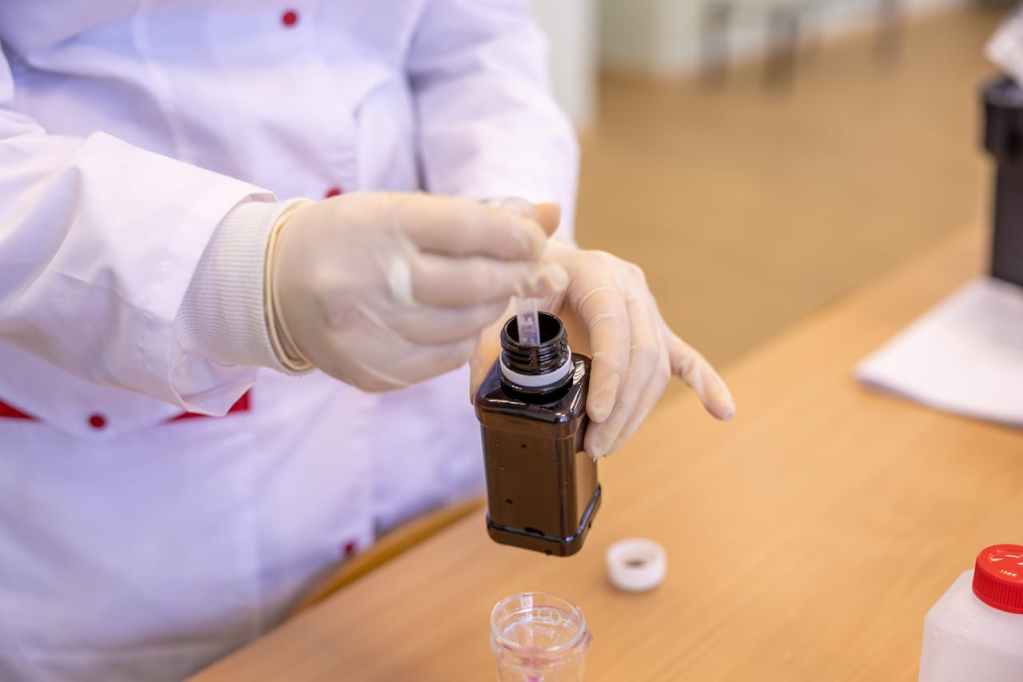
To minimize risks, many botanical processing facilities opt for closed-loop extraction systems, which contain Heptane vapors and prevent exposure to both workers and the environment. These systems also ensure that the solvent can be safely recovered and reused.
Regulatory Compliance and Consumer Safety
In the botanical industry, maintaining consumer safety is paramount. Products extracted with heptane must undergo thorough residual solvent testing to ensure they meet regulatory standards, such as those set by the U.S. Food and Drug Administration (FDA) and other governing bodies. Proper testing ensures that residual Heptane levels in the final product are within safe limits for human consumption.
In addition to flammability and vapor exposure risks, prolonged contact with heptane can lead to skin irritation or dermatitis, especially if proper protective gear is not worn. Workers should be trained to safely handle heptane, with clear procedures for accidental spills or leaks. Emergency equipment, such as eyewash stations and fire suppression systems, should be readily accessible in areas where heptane is used.
Furthermore, regular air quality monitoring is essential to ensure that vapor concentrations remain below hazardous levels, as long-term exposure could pose more serious health risks, including effects on the central nervous system.
Enhancing the Hemp Extraction Process
CDA-12A is a customized chemical solution that meets specific industrial needs, including degreasing, surface preparation, and specialized coatings. CDA-12A can enhance performance in various high-precision applications when paired with solvents like heptane.
Synergy Between Heptane and CDA-12A in Hemp Extraction
Heptane can be used alongside CDA-12A for specific extraction and purification processes in the botanical extraction industry. While heptane is the primary solvent used to dissolve cannabinoids, CDA-12A can be introduced to refine the extract further, especially in higher-purity applications. This combination helps reduce impurities and improve the overall efficiency of the extraction process.
Environmental Impact of Heptane in Hemp Extraction
While heptane provides efficiency and high yield in botanical extraction, environmental concerns must be addressed. Heptane is classified as a volatile organic compound (VOC), which means its release into the atmosphere can contribute to air pollution. However, using closed-loop systems in botanical processing greatly reduces these emissions, allowing the solvent to be recaptured and reused.
Additionally, efforts are being made to develop more eco-friendly extraction methods that either minimize the environmental impact of heptane or replace it with greener alternatives. As the botanical industry prioritizes sustainability, innovations such as solvent recovery and greener production methods will become increasingly important.
Heptane’s Role in Future Hemp Processing Technologies
As the demand for botanical-derived products like CBD oil continues to rise, heptane’s role in extraction processes is likely to expand. Its cost-effectiveness and ability to produce high-purity extracts make it a viable choice for large-scale processors. Moving forward, green chemistry innovations may focus on reducing the environmental impact of Heptane extraction while maintaining the solvent’s efficiency.
By combining heptane with other customized solutions like CDA-12A, the botanical industry can continue developing cleaner, more effective extraction methods that meet consumer demand and regulatory standards.
Conclusion
While heptane may not be as widely recognized as ethanol or CO2 in the botanical extraction industry, it is a critical solvent with unique advantages. Its ability to efficiently extract cannabinoids, rapid evaporation, and cost-effectiveness make it an unsung hero in both industrial and laboratory settings. When paired with solutions like CDA-12A, Heptane can further enhance extraction processes, offering high-purity products with minimal impurities. As the industry evolves and prioritizes sustainable practices, heptane is poised to play a continued role in shaping the future of botanical processing.
